
Why Consumers Don’t Want More Personalisation — They Want More Relevance
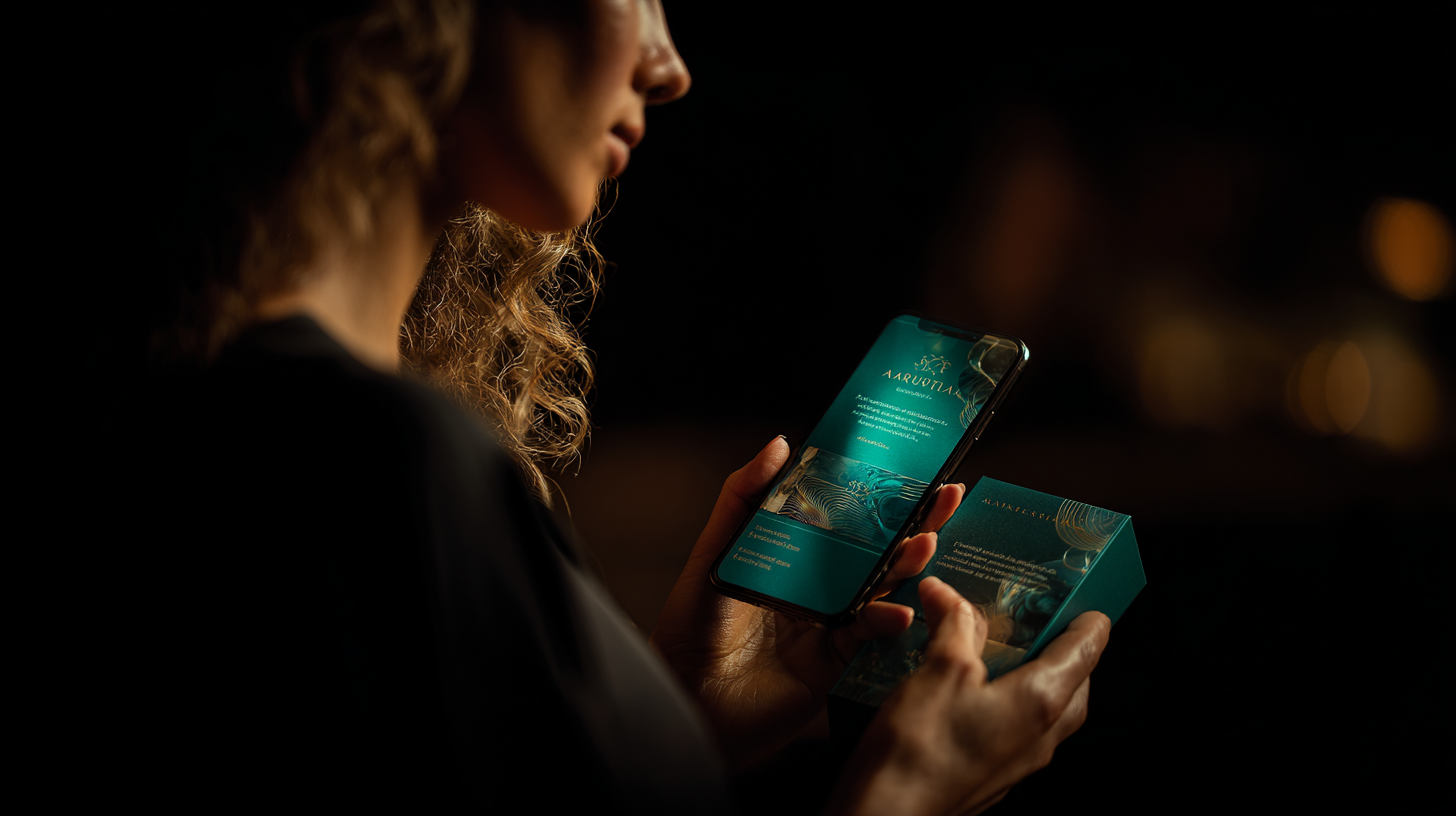
Why Consumers Don’t Want More Personalisation —
They Want More Relevance
For years, personalisation has been treated as the end goal of modern marketing. Brands
have invested heavily in data, technology and customer insight to tailor every message. Yet
a quiet shift is underway: consumers aren’t asking for more personalisation. They’re asking
for more relevance.
The personalisation problem
In theory, personalisation is simple — use data to understand consumers and deliver
experiences shaped around them. In practice, consumers feel buried. Emails arrive at the
wrong time, recommendations miss the mark, and ads follow people long after the interest
has gone. A message can be perfectly personalised and still be perfectly useless.
The problem usually isn’t the technology. It’s the relevance.
Consider what happens when a consumer scans a code on a product and lands on a generic
website. They could have found that themselves — and they will never scan again. The
brand had a moment of genuine attention and spent it on nothing. Compare that with what
good execution achieves: a poorly placed code with a vague “scan for more” prompt
typically generates around a 0.1% scan rate, while strong placement, compelling design and
a specific, valuable promise drives 7–10% — a 70 to 100x difference created entirely by
making the interaction worth the consumer’s while. Relevance isn’t a nice-to-have. It is the
entire difference between noise and engagement.
More data doesn’t mean better experiences
Many organisations now hold more consumer data than ever. But collecting data and
creating meaningful experiences are very different things. Consumers don’t care how much
a brand knows about them; they care whether an interaction feels useful right now.
There’s a second trap here: brands often personalise against an outdated picture of their
audience. Target groups change, and without real behavioural signals, marketers keep
personalising for a consumer who no longer exists. Useful data isn’t volume — it’s actual
behaviour, captured at the moment of product use: who engaged, with what, when and
where. That kind of deterministic, first-party signal is what makes relevance possible at all.
Relevance happens in context
Context is becoming as important as the consumer themselves. Someone buying milk — a
product they know inside out — doesn’t need ingredient education; they might respond to a
loyalty reward or a moment of entertainment. Someone choosing in a complex category like
skincare or healthcare needs guidance, comparisons and reviews to make a confident
decision. Same technology, completely different relevant experience.
Location matters too. Most product scans don’t happen in the supermarket aisle — they
happen after purchase, at home, when the consumer has time and a genuine question.
Sustainability credentials or carbon information are rarely studied in-store; they’re explored
from the comfort of the sofa. A brand that understands when and where its consumers
engage can finally deliver the right content at the right moment, rather than guessing.
From information to answers
Today’s consumers don’t just expect information — they expect answers. When they engage
with a product, they want to make decisions, solve problems and get value quickly. This is
where AI-powered experiences change the equation: a product that can listen, respond and
help, rather than simply display content. A coffee brand sharing brewing expertise. A beauty
product offering guidance tailored to the question actually being asked. The interaction
stops being a broadcast and becomes a conversation.
The goal is not more content. The goal is the right answer at the right moment.
Why relevance builds trust
Trust is becoming one of the most valuable assets a brand can own, and every interaction
either builds it or erodes it. When a brand respects a consumer’s time and consistently
delivers something useful, engagement deepens. When interactions feel irrelevant, trust
drains away fast.
The proof is in attention. Digital ads hold consumers for roughly three seconds; well-
designed product experiences hold them for 90 seconds or more — and using industry-
standard attention measurement, they have scored more than double the creative impact of
category broadcast averages. Why? Because the consumer chose to engage. They are
holding the product, they have already bought it, and they came with a question. That
context changes everything: engagement becomes authentic rather than interruptive.
The future belongs to relevance
The future of consumer engagement will not be defined by who collects the most data, butby who creates the most relevant experiences. The industry is already moving: 83% of
brands are planning product engagement campaigns in 2026, and a clear majority now rate
these experiences a strategic requirement rather than an interesting experiment.
Consumers don’t want more messages, more notifications or more personalisation. They
want interactions that feel useful, timely and meaningful — delivered at the moment they
choose to engage, which is the moment of highest intent.
Because ultimately, consumers don’t want more personalisation. They want more relevance.
